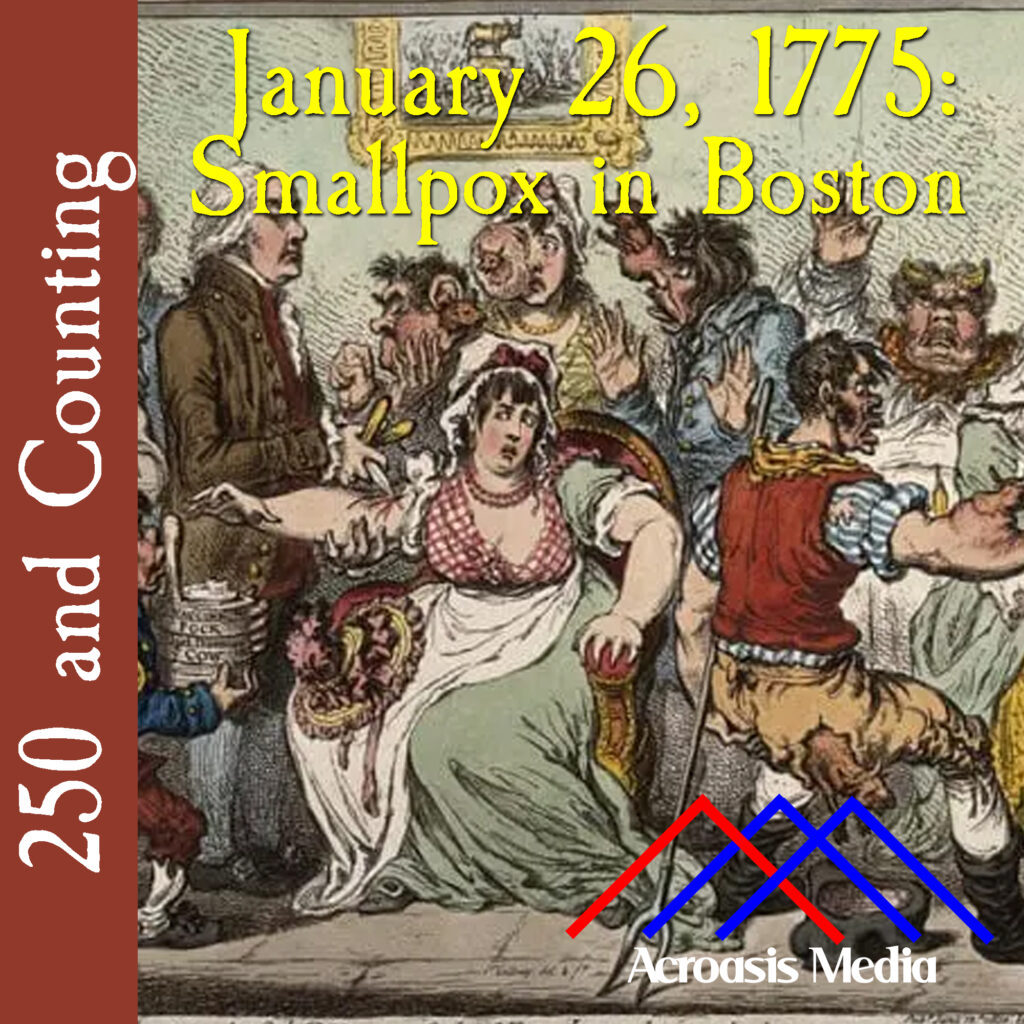
With all the things we know about germ theory and diseases and the importance of vaccinations, it’s kind of a surprise when people take a stance against such things in the face of the hard data.
Before the invention of the smallpox vaccine, the disease could have a brutal effect on people who caught it, with the vomiting, the mouth sores and the high fever. It could kill you–often suddenly–within two weeks, and if you survived, you were often left blind, or infertile, and almost certainly with deep scars all over your body. Once someone had it, the best you could do to prevent its spread was isolate them from others.
The only known preventative dated back to around 200 BCE, and was a process called “variolation,” which involved transferring small amounts of material from smallpox sores and applying it to the skin of a healthy person. That person would get a much milder form of the disease, but they’d be much more resistant to it in the future. Other people did something called “insufflation,” where dried smallpox scabs were ground up and then blown up a person’s nostril with a small pipe.
In 1796 a vaccine was developed, which was basically variolation but using the much milder version of the disease, cowpox, which proved to be quite effective against smallpox.
It wasn’t without controversy, however: people thought that the cowpox-based vaccine would turn you into a cow. But by 1801 it was a generally accepted vaccine against smallpox, and the disease is considered by medical organizations around the world to be completely eradicated, there not having been a case recorded since 1980.
Thank goodness we’ve moved past that way of thinking! Imagine a pandemic taking place these days, and people thinking that terrible things would happen to them if they took the vaccine?–oh, wait.
[POWERPRESS]
Podcast: Play in new window | Download